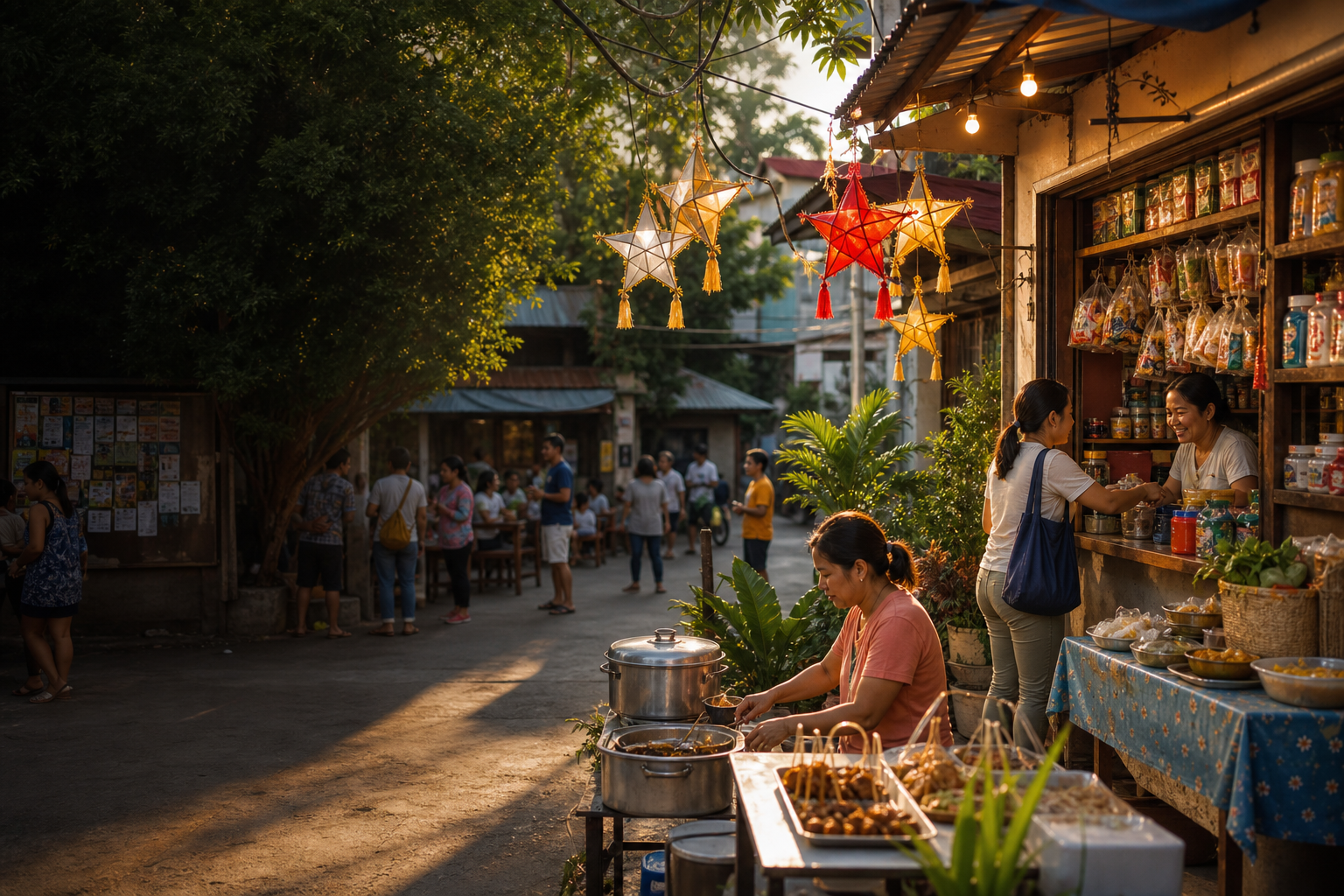
The recipe meets the kitchen
A recipe arriving in an Australian kitchen brings more than a list of ingredients. There may be a remembered smell, a particular pot, a person who never measured anything, or an argument about which version tastes right. Then ordinary life enters: the shop has a different vegetable, dinner must fit between shifts, and the person cooking has a smaller budget than the occasion in their imagination. A dish made under those conditions can still hold affection. Its meaning does not disappear because the kitchen, or the cook, has changed.
Memory rarely comes with exact measurements
Someone asking a relative how to make a familiar dish may receive instructions that depend on watching, tasting and knowing when something looks ready. That knowledge deserves attention. It can also be difficult to use from another city or country. A photograph of an ingredient, a patient explanation or a short note about texture may help more than an insistence that the answer is obvious. Writing down a recipe can be an act of care, especially for the person who was never standing beside the stove when everyone else learnt.
A substitution can tell a story
An unavailable ingredient can feel like a small disappointment with a larger history attached. A replacement may change the flavour enough to make someone miss the original. It can also become part of a household’s own version: the vegetable the nearby shop reliably stocks, the seasoning a child enjoys, the method that works after a late train. Those choices need not become a contest between loyalty and convenience. They show a meal meeting the circumstances of the people who will eat it. Keeping a note of what changed can preserve that story as well as the recipe.
Leave room for more than one version
Filipino food holds regional, household and personal differences. A familiar dish may be prepared differently by people who live a few streets apart, let alone across countries. Comparing versions can be a pleasure when curiosity leads the conversation. It becomes less welcoming when a meal turns into an examination of who is Filipino enough. A person raised in Australia may be learning a family dish for the first time. A recent arrival may prefer something entirely different. Neither owes a table full of people proof of belonging before they are allowed to enjoy dinner.
Remember the work behind the welcome
A generous table can conceal a long shopping list, an early start and someone left with the washing-up. Celebrating food should leave room to recognise that labour. Before asking a relative to cook the special dish again, ask what would make it manageable. Another person might buy ingredients, help prepare, bring a simpler contribution or take care of the clean-up. A gathering can remain warm with fewer dishes. Making the work visible helps keep a treasured meal from becoming an obligation that always lands on the same person.
Sharing food does not mean sharing every story
A dish can invite questions about family, migration or the person who taught someone to cook. Those questions may open a happy conversation, but the cook gets to decide how much to tell. The same care applies when posting a recipe or a photograph. Ask before attaching someone’s name, family history or private kitchen to a public account. A recipe shared in a family chat is not automatically an invitation to publish the surrounding messages. Appreciation feels more generous when the person who offered something keeps a say in where it goes.
Let the next cook add a line
One useful project is to make a recipe easy for another person to try. Write the quantities as clearly as possible, explain an unfamiliar step, and include the substitutions that actually worked. Credit the person who shared it, with their permission. Leave space for the next cook’s notes rather than presenting the page as a final ruling. That small record can hold continuity and change together: here is what was passed on, here is what we had available, and here is what this kitchen made of it.
A meal can belong to the present
Food can keep people close to another place without asking the present to imitate it perfectly. The person cooking may miss an old home, feel settled in a new one, or move between those feelings during the same meal. There is room for all of that. This week, choose one familiar dish and make it fit the life around you. Ask a question, write down a detail, or invite someone to help. The result need not settle a debate about authenticity. It can simply be something worth making and sharing again.
About this column
This is an original LocalPinoy editorial reflection, not a memoir, interview or first-hand restaurant review. Filipino food traditions and migration experiences are varied. Explore the local directory for source-linked businesses, and ask permission before publishing another person’s recipe, story or identifying details.
Explore the directory ↗