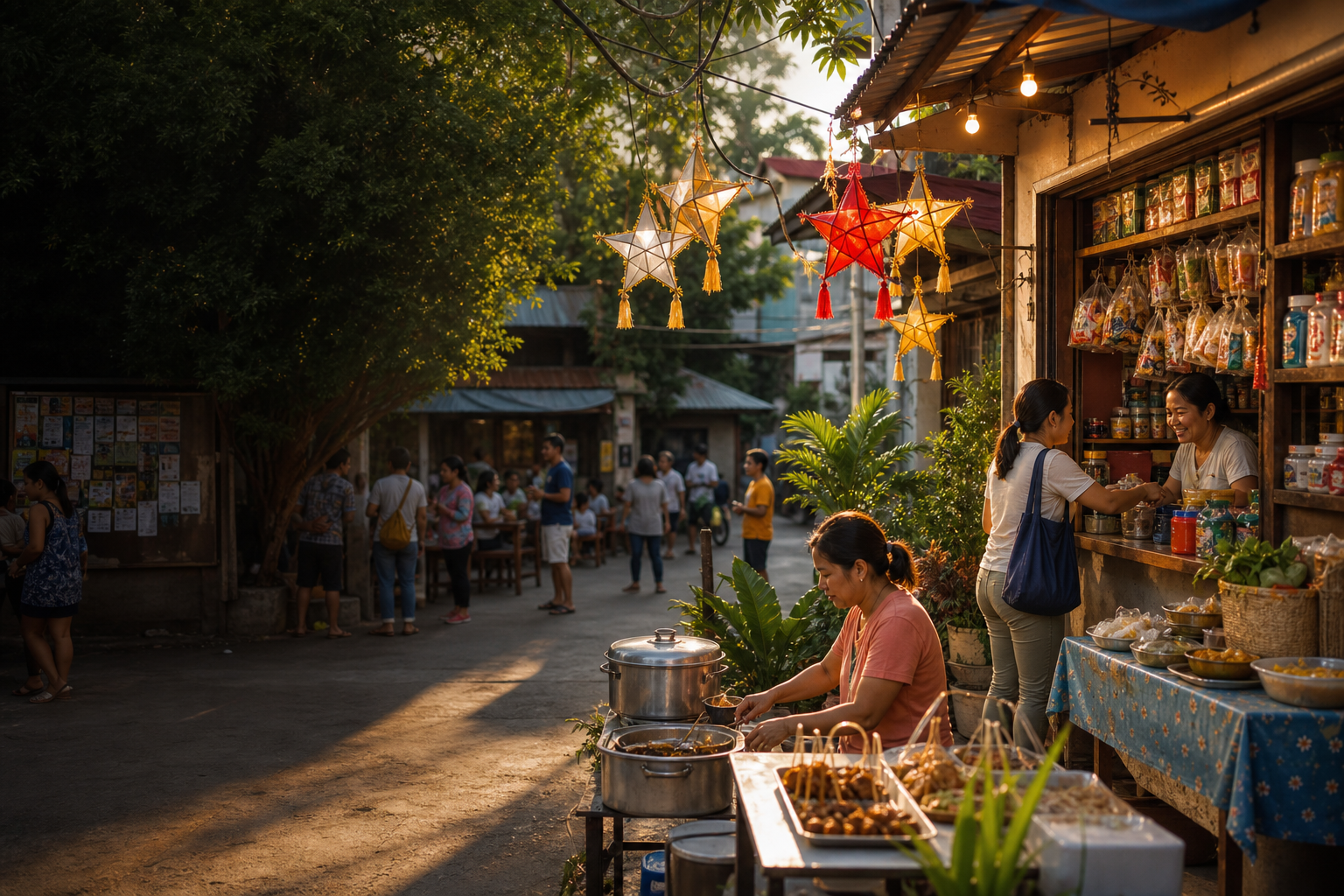
Two ordinary days, one conversation
A call between Australia and the Philippines can join two quite different moments. One person may be ready to talk while the other is packing a bag, finishing a shift or trying to get dinner on the table. The screen makes the distance look small, but it cannot make everybody's day line up. For families and friends living apart, connection often depends less on finding the perfect conversation than on noticing the ordinary lives on both sides of it.
Care is not measured by response time
It is easy for a small delay to gather a larger meaning. A message is read but unanswered; a photograph receives a brief reaction; a promised call moves to another day. Sometimes there is a difficult story behind the silence. Often there is simply a busy person. Leaving room for both possibilities can be kinder than treating speed as a measure of affection. A short reply saying when a longer conversation might work is useful, but constant availability should not be the price of belonging to a family.
Ask about the unremarkable things
Distance can turn every conversation into a report: work, money, health, the next visit. Those subjects matter, yet a relationship also needs room for the things that do not fit a checklist. What was for lunch? Which plant is growing? What made someone laugh on the way home? Ordinary details allow people to remain part of one another's changing lives. They need not become a polished account of success. A person building a life in Australia can share an uneventful Tuesday without proving that the move was worth it.
Make space for different ways of speaking
Not everybody connects best on a long video call. A voice message can be easier for someone whose free time comes in short pieces. A photograph of a familiar recipe may invite a story that a direct question would not. Some relatives are comfortable moving between languages; others prefer one, or understand more than they can easily say. Asking what suits the person is more generous than insisting on one correct way to stay in touch. Translation, a slower pace and a little patience can make a conversation less like a performance.
Keep affection separate from obligation
Practical support may be part of a relationship across countries, but it should not swallow the whole relationship. People have different resources, responsibilities and limits. An honest answer about what is possible can protect a connection better than a promise made out of embarrassment. Equally, someone receiving help is more than the problem that needs solving. There can still be jokes, shared interests and news that has nothing to do with a request. Care feels more human when everyone is allowed to be a person rather than a role.
Let local life have its place
Staying close to people elsewhere does not require keeping Australian life on hold. A new friendship, a neighbourhood routine or an afternoon spent without checking the phone is not a rejection of home. Nor does enjoying life here remove the possibility of missing someone. Those feelings can sit together. Making room for local connections may even give the next conversation more texture: a new food to describe, a small achievement to share, or an unexpected question about how things were done before.
A small arrangement worth trying
Choose one manageable point of connection this week. Agree on a time rather than guessing, send a voice note without demanding an immediate answer, or ask someone to explain the story behind an old family object. Leave room to change the plan. The aim is not a perfect schedule or a daily record of devotion. It is a rhythm that the people involved can actually sustain, with enough ease that the next conversation feels like an invitation rather than another task.
About this column
This is an original LocalPinoy editorial reflection, not a personal memoir, interview or account of a particular family. Filipino migration experiences and family relationships are varied. For connections closer to home, explore the local directory and the Community Board. Share other people's stories or photographs only with their permission.
Explore the directory ↗